

Picture this: Your fintech startup just closed another funding round, your user base is exploding, and your team is scrambling to keep up with customer inquiries scattered across emails, Slack threads, and yes, that dreaded master spreadsheet that somehow became your customer database.
Sound familiar? You’re not alone.
As we move deeper into 2025, fintech companies are facing an uncomfortable truth: the scrappy, bootstrap methods that got them to Series A won’t cut it for sustainable growth. While traditional financial institutions lumber forward with legacy systems, agile fintechs have a golden opportunity to leapfrog the competition with smart customer relationship management.
The question isn’t whether you need a proper CRM system. It’s whether you can afford to keep running your growing business on digital sticky notes and prayer.
The Hidden Cost of Spreadsheet Management
Let’s talk numbers for a moment. Your average fintech employee spends roughly 2.5 hours per day hunting for customer information across different platforms. Multiply that by your team size, then by your hourly rates, and you’re looking at thousands of dollars in lost productivity every single week.
But the real damage goes deeper than time costs.
When your customer success manager can’t quickly access a client’s transaction history during a support call, or when your sales team loses track of warm leads because they’re buried in an Excel file someone forgot to update, you’re not just losing efficiency. You’re losing trust, deals, and ultimately, competitive advantage.
The financial services industry is built on trust and relationships. Every fumbled interaction, every delayed response, every “let me get back to you on that” chips away at the professional image you’ve worked so hard to build.
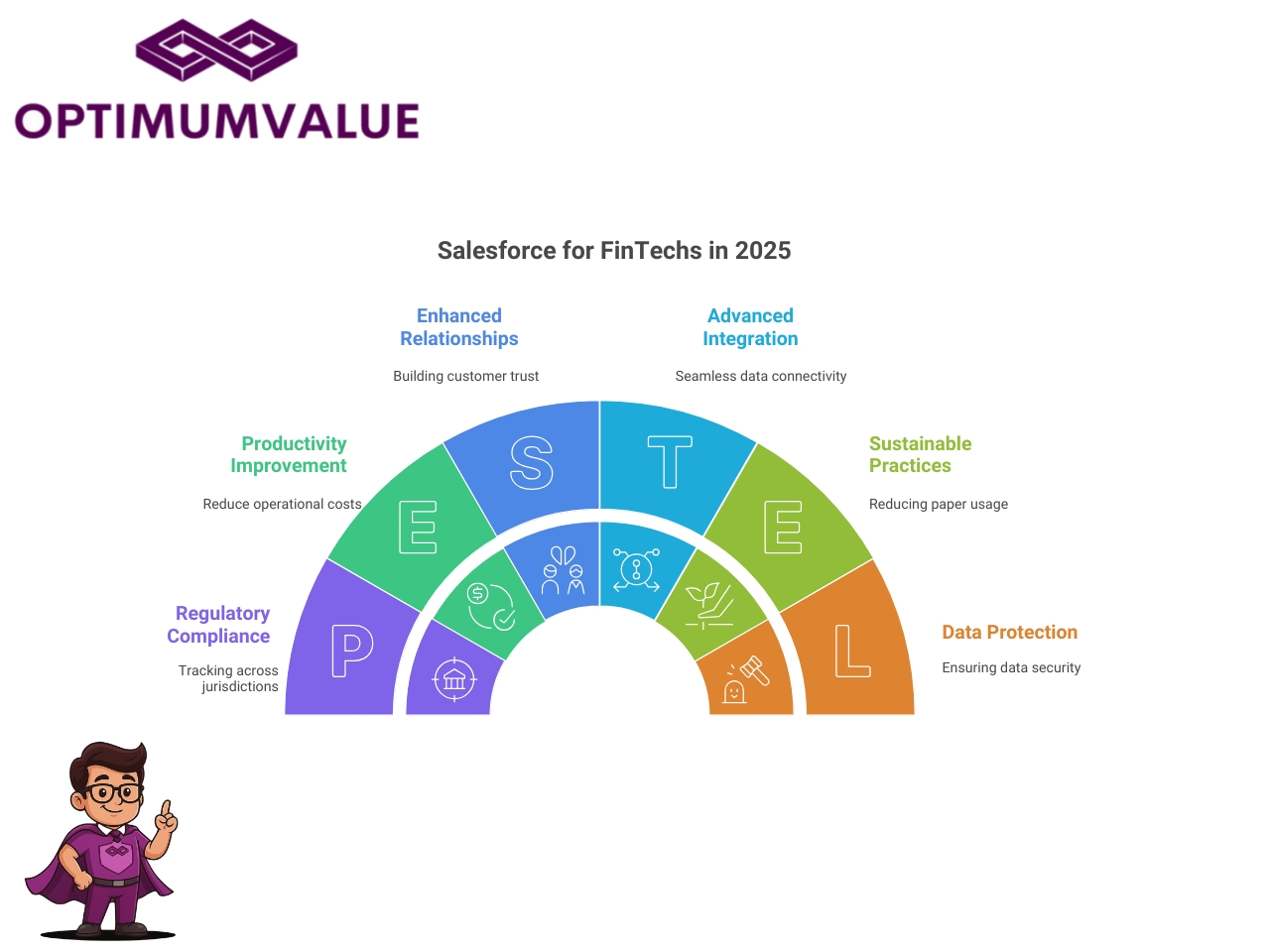
Why Traditional CRMs Fall Short for FinTechs
Here’s where many fintech leaders make their first mistake: they assume any CRM will solve their problems. They grab the first affordable solution they find, set it up over a weekend, and wonder why adoption rates are dismal six months later.
Generic CRMs weren’t designed for the unique challenges of financial technology companies. They can’t handle complex compliance requirements, struggle with multi-layered approval processes, and offer little insight into the customer financial journey that’s so crucial for fintech success.
Consider these fintech-specific pain points:
- Regulatory compliance tracking across multiple jurisdictions
- Integration with payment processors and banking APIs
- Real-time fraud monitoring and risk assessment
- Complex customer onboarding workflows with KYC requirements
- Multi-stakeholder deals involving banks, regulators, and end users
Your basic CRM treats a customer as a customer. But in fintech, you need to understand whether someone is a retail user, institutional client, compliance officer, or integration partner, and tailor your entire relationship management strategy accordingly.
The Salesforce Advantage: Built for Complex Growth
This is where Salesforce changes the game entirely.
Unlike one-size-fits-all solutions, Salesforce was designed from the ground up to handle complex business relationships and intricate sales cycles. For fintech companies, this translates into several game-changing advantages.
Advanced Integration Capabilities
Salesforce doesn’t just store customer data; it becomes the central nervous system of your entire operation. Through its robust API ecosystem, you can seamlessly connect your payment processors, compliance tools, risk management systems, and customer support platforms into one unified view.
Imagine having real-time transaction data, compliance status, support ticket history, and sales pipeline information all accessible from a single dashboard. Your team can finally see the complete customer picture without jumping between systems.
Customizable Workflows for Financial Services
Every fintech has unique processes, and Salesforce’s workflow automation capabilities let you codify your business logic directly into your CRM. Whether you need multi-stage approval processes for enterprise deals or automated compliance alerts based on transaction patterns, Salesforce can handle the complexity.
This isn’t just about saving time; it’s about ensuring consistency and reducing human error in processes where mistakes can have serious regulatory and financial consequences.
Scalability That Grows With You
Perhaps most importantly for fast-growing fintechs, Salesforce scales seamlessly from startup to enterprise. The same system that manages your first 100 customers can handle 100,000 without requiring a complete overhaul of your processes.
As you expand into new markets, launch additional products, or acquire other companies, Salesforce adapts to your evolving needs rather than constraining your growth.
Real-World Impact: What Success Looks Like
Let’s get practical about what this transformation actually means for your day-to-day operations.
Your sales team stops losing deals because they now have complete visibility into each prospect’s engagement history, technical requirements, and decision-making timeline. They can prioritize leads based on actual data rather than gut instinct.
Your customer success team can proactively identify at-risk accounts by analyzing usage patterns, support ticket trends, and payment behaviors all within a single platform. Instead of reacting to churn, they’re preventing it.
Your compliance team gets automated alerts about regulatory changes affecting specific customers, ensuring you stay ahead of requirements rather than scrambling to catch up during audits.
Most importantly, your leadership team finally has reliable forecasting data. You can make strategic decisions based on actual pipeline metrics, customer lifetime value calculations, and market trend analysis instead of educated guesses.
Making the Transition: Overcoming Implementation Hurdles
The biggest barrier to CRM adoption isn’t technical; it’s human. Your team has found workarounds for existing chaos, and change feels risky when you’re moving fast and breaking things.
Successful Salesforce implementations for fintechs follow a few key principles:
Start with your most painful process first. Don’t try to digitize everything at once. Pick the workflow that causes the most daily frustration and nail that implementation before moving to the next challenge.
Involve your team in the design process. The people who will use the system daily should have input into how it’s configured. This builds buy-in and ensures the final setup actually matches how work gets done.
Plan for integration from day one. Your CRM shouldn’t be an island. Identify your critical business systems early and budget for proper integration work.
How Salesforce Transforms Your FinTech Operations
When implemented strategically, Salesforce becomes more than just a customer database for fintech companies. It becomes the operational backbone that enables intelligent, compliant, and scalable growth.
Salesforce’s Financial Services Cloud comes pre-configured with industry-specific features that address the unique challenges fintech companies face. From relationship mapping that helps you navigate complex institutional sales to compliance management tools that keep you audit-ready, you’re not just getting a CRM—you’re getting a platform built specifically for your industry’s needs.
The platform’s Einstein AI capabilities can analyze your customer data to predict churn, identify upselling opportunities, and even detect potential fraud patterns. For fintech companies dealing with massive transaction volumes and complex risk profiles, these insights can mean the difference between reactive and proactive business management.
Moreover, Salesforce’s extensive AppExchange marketplace includes hundreds of financial services applications that can extend your CRM’s capabilities without custom development. Whether you need advanced analytics, specialized compliance tools, or integration with specific fintech infrastructure, there’s likely a pre-built solution that can accelerate your implementation.
The Bottom Line: Your Growth Depends on Getting This Right
The fintech landscape in 2025 isn’t just about having innovative products or securing funding. It’s about executing consistently, scaling efficiently, and maintaining the trust that converts users into advocates.
Every day you spend managing customers through spreadsheets and email chains is a day your competitors are building stronger relationships, making data-driven decisions, and scaling their operations more effectively.
The transition from chaotic manual processes to intelligent CRM isn’t just an operational upgrade. It’s a strategic imperative that determines whether your fintech becomes a market leader or becomes another cautionary tale about companies that couldn’t scale their success.
Your customers deserve better than spreadsheet chaos. Your team deserves tools that amplify their expertise rather than forcing them to waste time on administrative busywork. And your business deserves a foundation that can support whatever ambitious growth plans you’re building.
The question isn’t whether you can afford to implement a proper CRM system. It’s whether you can afford not to.